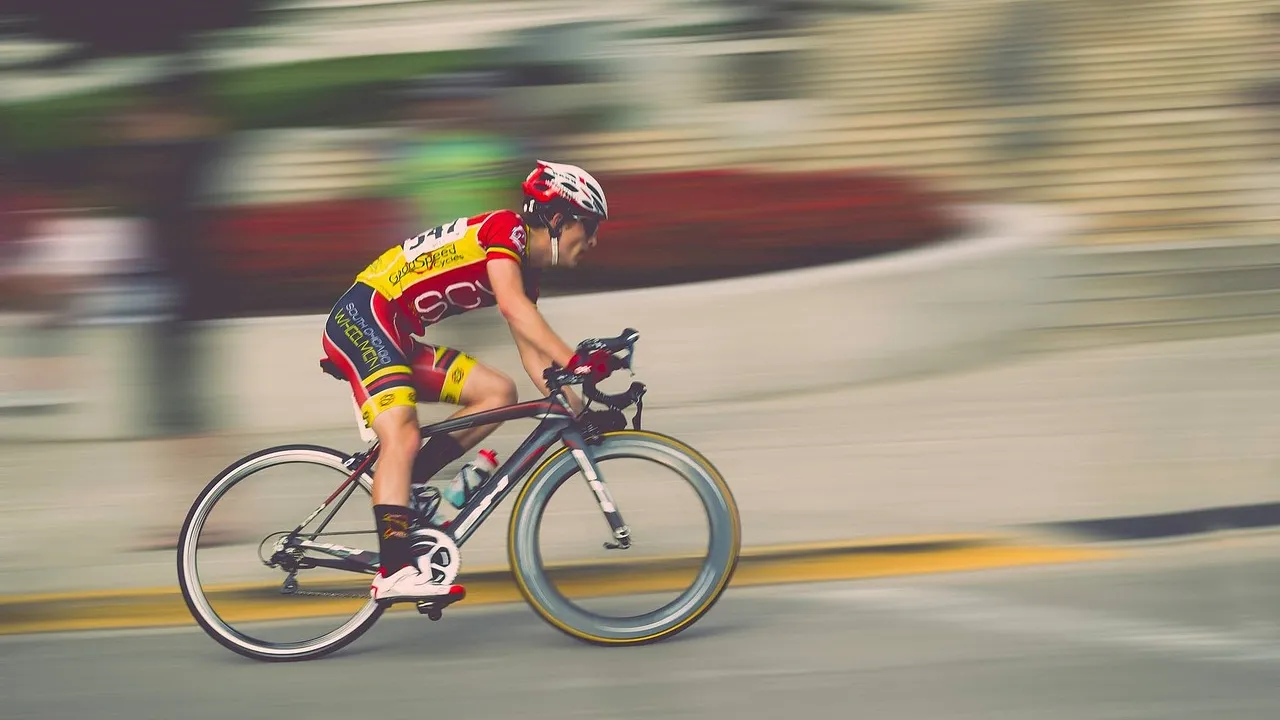
First Gran Fondo Training: Prepare, Fuel, and Ride Smart
You've signed up for your first gran fondo, or you're seriously thinking about it. Between the paperwork, the long rides, and the fueling, where do you start so you finish with a smile?
The KILYO team
The sports coach that reads your workouts

The short answer
Your first gran fondo training starts with the paperwork: check the rules for your event (the FFC may require a medical certificate or the health questionnaire) and add 10 to 15 minutes to your long ride at a time. According to Jeukendrup (Sports Medicine, 2014), beyond 2 hours of effort, carbs prevent hypoglycemia: start eating early. Ride at a pace you can hold until the finish.
Key takeaways
- Depending on the type of event, the FFC may require a medical certificate or your answer to the health questionnaire: sort this out before you register.
- Beyond 2 hours of effort, eating carbs during the race prevents hypoglycemia and improves endurance capacity.
- The 90 g of carbs per hour benchmark is for ultra-endurance: for a first gran fondo, test what your stomach tolerates in training.
- A pace you can hold until the finish beats a fast start followed by a long struggle.
Your first gran fondo is a race bib, a long road, and hundreds of riders starting at the same time. What makes the day go well is almost always decided before: paperwork in order, rides that get longer little by little, and a fueling plan you've already tested.
Here's the order to sort things out: registration, choosing the event, training, fueling, then race day.
Get your paperwork in order before you register
This is the least exciting part, but it's the one that can stop you from starting. If you don't have a license, ask the organizer what they require: a license, a temporary permit, a medical certificate, or your answer to the health questionnaire.
The FFC "Cyclisme pour tous" regulations state that, depending on the type of event, and unless it's already covered by your license, a medical certificate confirming you have no contraindications may be required. Instead, your answer to the health questionnaire in your licensee account may be enough, valid for 4 months.
For an adult FFC Competition license, the federation asks for confirmation that you answered "no" to the health questionnaire. Otherwise, you need a medical certificate less than 6 months old that mentions an electrocardiogram.
These are the FFC rules, and they vary by event type. Open the rules for your gran fondo and take care of this early: a doctor's appointment is rarely available the week before the race.
Choose a first event you can handle
For your first bib, pick an event you can finish without putting yourself at risk. Three things matter:
- Distance: choose one you've almost covered in training. If your longest ride is 2 hours, a 4-hour event means real progression.
- Elevation gain: 100 km (62 mi) flat and 100 km of mountains are not ridden the same way. Compare the profile with your usual routes.
- Cutoff times: calculate your average speed on long rides, then check that you'll clear the cutoffs with plenty of time. A split time calculator helps you put this into numbers.
Build your rides: consistency first
The plan markers below come from KILYO and from practice, not from a study. Adjust them to fit your life.
Ride two or three times a week. One easy hour in the middle of the week, another with a few harder efforts, and the long ride on the weekend. The long ride is the one that grows. Two or three steady rides beat one big ride followed by two weeks off the bike.
Here's a five-week long ride progression. It assumes you can already ride 2 hours without trouble.
| Week | Long ride | Purpose |
|---|---|---|
| 1 | 2 hr | Starting point |
| 2 | 2 hr 10 min | +10 min |
| 3 | 2 hr 25 min | +15 min |
| 4 | 1 hr 45 min | Lighter week, let the body absorb the work |
| 5 | 2 hr 35 min | +10 min since week 3 |
Always count the increase from your last full week (here, 2 hr 25 min), never from the lighter week. If fatigue doesn't clear, stay on the previous step instead of adding time.
Keep going until you're close to the duration of race day, without necessarily matching it. In the week before the event, reduce the volume but keep a few minutes at good pace: you want to arrive fresh, not rusty.
To choose the right intensity for your long rides, heart rate zones give you a framework:
Eat and drink: the 2-hour rule
This is where many first gran fondos are won or lost. A study by British researcher Asker Jeukendrup, published in Sports Medicine in 2014, sums it up: during effort lasting more than 2 hours, taking in carbs prevents hypoglycemia, keeps carb oxidation high, and improves endurance capacity compared with a placebo.
On a multi-hour gran fondo, what you eat while riding is part of the effort. The bonk, when your legs empty out, can come from not getting enough carbs.
This benchmark is for ultra-endurance. The study talks about personalized advice based on duration, intensity, and digestive tolerance. Don't aim for 90 g per hour on your first 4-hour ride without testing it first.
In practice:
- Eat from the start of the effort, without waiting until you're hungry.
- Drink regularly, in small sips, rather than one big gulp every 30 km (19 mi).
- Slow down and drink more often when it's very hot.
- Test in training what you'll take in the race: same product, same rhythm, same amount.
To go further on this test, read Long run: how to know if your fueling worked.
Race day: ride in a group, start easy
On a gran fondo, you ride with others. Coaches give a few simple habits:
- Keep both hands on the handlebars, especially near other riders.
- Look far ahead, not at the wheel of the rider in front of you.
- Anticipate: a turn, a slowdown, or a brake touch can be read several meters ahead.
- Follow the traffic rules.
- Ride single file as soon as a car approaches or visibility drops. Ride two abreast only when traffic rules and the organizer allow it.
For your first bib, starting with one or two friends at the same level helps you hold your pace without getting pulled along by a faster group.
The start is where people ruin their race: adrenaline and the group push you to go too fast.
- Start slower than you feel like. A pace that feels almost too easy at the beginning is the right one.
- Set a reference for the first hour: an effort where you can speak in full sentences or, with a heart rate monitor, the easy zone from your long rides.
- Eat in the first few kilometers and drink in small sips. At the aid stations, take only what you've already tested. Nothing new.
- Find the first cutoff and aim to pass it with a margin.
- Speed up only in the second half, if you feel good. Otherwise, hold your pace until the finish.
What you can do on your next ride
- Open the rules for your gran fondo and note what they require: license, health questionnaire, or medical certificate.
- Make your weekend long ride 10 to 15 minutes longer than your last full week.
- Test your fueling plan: what to eat, when to eat it, how much to drink.
- After the ride, write one sentence about how you felt (hungry, empty legs, stomach upset, nothing special).
This is where KILYO can help: the app reads your watch workouts (pace, heart rate, volume, consistency) and checks whether your long rides are getting longer at a pace you can sustain. If you miss a week, it adjusts your plan instead of making you catch up all at once.
Frequently asked questions
What distance should I choose for my first gran fondo?
Is the medical certificate always waived?
How should I taper the week before?
What if I bonk or get cramps during the race?
Sources
- Jeukendrup A. (2014). A step towards personalized sports nutrition: carbohydrate intake during exercise. Sports Medicine, 44 (Suppl 1), S25-S33. DOI
- French Cycling Federation (FFC). Title XVI, Cyclisme pour tous (regulations). ffc.fr
- French Cycling Federation (FFC). FFC license fees, section Competition License and medical certificate for adult practitioners. velo.ffc.fr
- French Cycling Federation (FFC) (2022). Update to federal regulations on cycling practice and the use of medical certificates. ffc.fr
Written with the help of AI.